Beyond the canon of Sinners, Get Out, Moonlight, and Do the Right Thing lies a rich vein of Black cinema that most audiences have never encountered. These 10 films — spanning five decades, a half-dozen genres, and directors both celebrated and unjustly forgotten — represent some of the most vital, inventive, and underseen work in American filmmaking.
Each one offers something the usual “best of” lists miss: a vampire film that subverted its producers’ expectations, a philosophical comedy buried for three decades after its director’s death, a Spike Lee provocation so ahead of its time critics didn’t know what to do with it. Together, they make the case that the story of Black cinema is far deeper and stranger than the highlights reel suggests.
1.
Ganja & Hess (1973) — Directed by Bill Gunn
2.
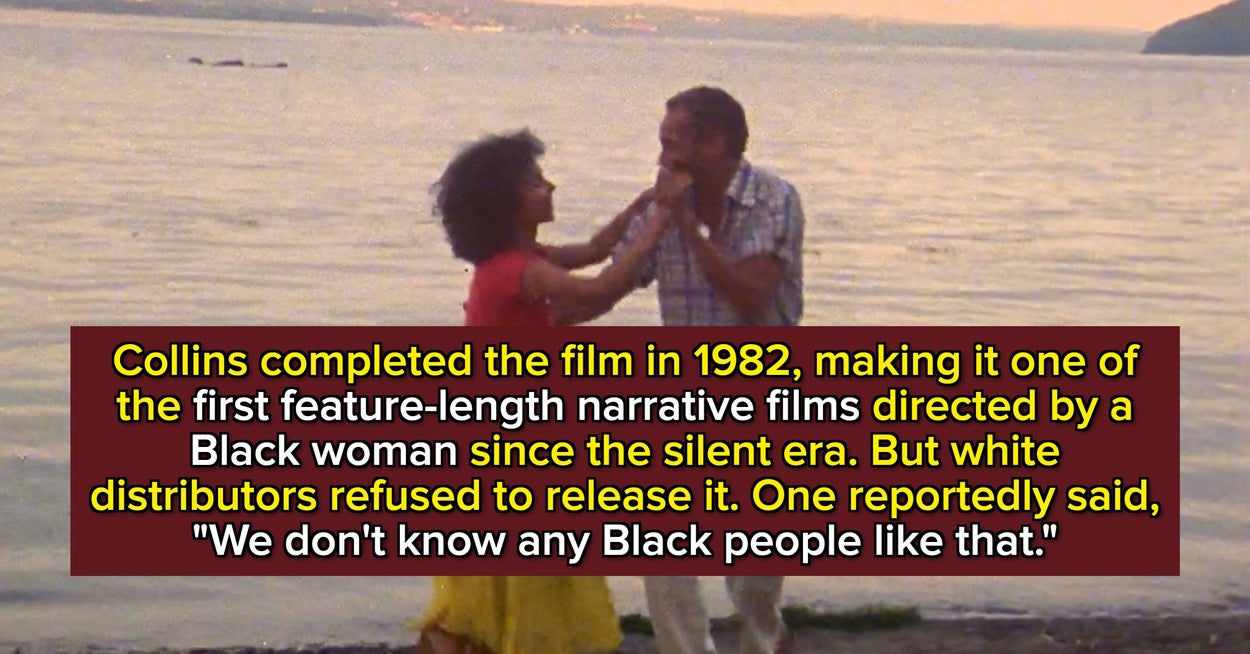
Losing Ground (1982) — Directed by Kathleen Collins
3.
To Sleep with Anger (1990) — Directed by Charles Burnett
4.
One False Move (1992) — Directed by Carl Franklin
5.
Eve’s Bayou (1997) — Directed by Kasi Lemmons
6.
Bamboozled (2000) — Directed by Spike Lee
7.
Medicine for Melancholy (2008) — Directed by Barry Jenkins
8.
Pariah (2011) — Directed by Dee Rees
9.
Widows (2018) — Directed by Steve McQueen
10.
The Forty-Year-Old Version (2020) — Directed by Radha Blank
From Kathleen Collins being told distributors “didn’t know any Black people like that” in 1982, to Bill Gunn’s masterpiece being butchered and recut, to Charles Burnett’s award-winning film receiving no marketing, to Widows being ignored by Oscar voters in 2018 — the throughline is not a lack of talent or vision, but a system that repeatedly failed to support it. Many of these films were rescued by later champions: Ava DuVernay’s ARRAY distribution company, the Criterion Collection, Milestone Films’ restoration work, and individual critics who refused to let them disappear.
Now, nine of the 10 hold Tomatometer scores above 83%. Several are in the National Film Registry. Two are in the Criterion Collection. One won the Grand Jury Prize at its festival. And yet none of them occupies the cultural real estate of the obvious picks. The gap between their quality and their visibility is the story itself.
For Black History Month 2026, watching even a few of these films not only fills gaps in your viewing history but also reframes what Black cinema has always been — formally daring, genre-fluid, intellectually ambitious, and far too often left for future generations to discover what the present one missed.
We know this list barely scratches the surface. What’s an underrated film by a Black director that deserves way more love? Drop it in the comments — we’re always looking for our next watch.
It’s the 100th anniversary of Black History Month this year! Follow all of our coverage here. Of course, the content doesn’t end after February. Follow BuzzFeed’s Cocoa Butter on Instagram, TikTok, and YouTube to keep up with our latest Black culture content year-round