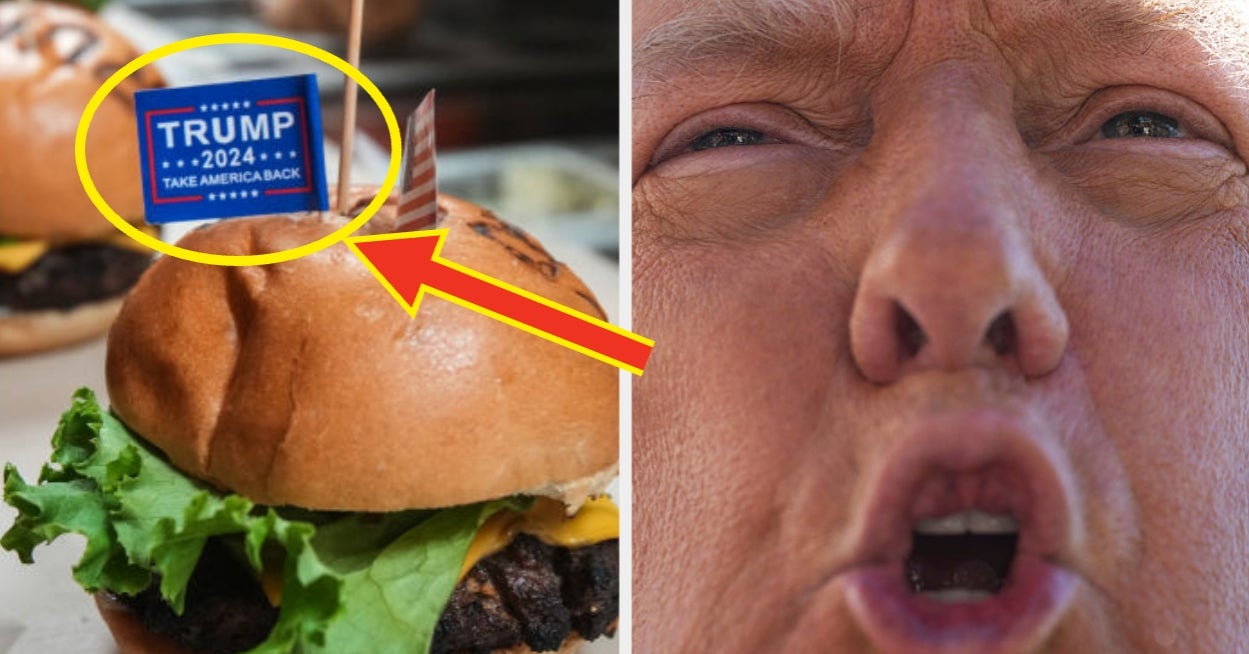
Most of the “evidence” we’ve considered thus far is pretty circumstantial and based on assumptions rather than clear facts. But the internet — and social media apps in particular — can provide more concrete proof of a restaurant owner’s political affiliations or sympathies.
According to O’Dell, some indicators to watch out for include “overt political social media behavior, such as publicly following or engaging with partisan political figures” or “online tone and captions that emphasize grievance, culture-war language, and ‘us vs. them’ framing.”
We’ve also recently seen actions promoted through social media that may suggest political views based on participation (or non-participation). News of the Jan. 31 “ICE Out” strikes to show support for the people of Minneapolis in the wake of Alex Pretti’s murder spread rapidly on social media because, as Rosenberg put it, “when individuals feel like they can collectively act to help move the dial closer to the politics that they feel are moral, then they will use social media to advance those campaigns.”
Many businesses chose to close their doors on Jan. 31 in solidarity with the protest, but even restaurants that didn’t close (many because they wanted to “support their staff who rely on their jobs and even losing a day of pay really mattered to those employees,” said Rosenberg) often posted on Instagram or X explaining their reasoning and emphasizing their support for Minneapolis and their disdain for ICE’s actions there.
But venues that made posts mocking the protests or even that declined to acknowledge them at all were, in the minds of many social media users in their communities and elsewhere, telling on themselves.
Ultimately, Rosenberg believes that the desire to figure out where a restaurant or bar “stands” on the political spectrum in 2026 has less to do with partisanship and more to do with shared values.
“We see this as sort of a moral reasoning,” Rosenberg said. Like it or not, we “vote” with our dollars, and using responsible methods to decide where to spend time and money (without jumping to snap conclusions) can help us make sense of a challenging economy and a deeply fraught political, social, and cultural environment.
This article originally appeared on HuffPost.